
As of mid-November 2026, Dubai's property market is heading into 2027 balanced, not in decline. Prices rose almost 20% in 2025, eased modestly in 2026, and are now stabilising. Analysts expect 2027 to be shaped by a large wave of new handovers. Price pressure is likely to be concentrated in mid-market apartments, while waterfront, low-density and prime communities hold their value better. For buyers, choosing the right location and product now matters more than trying to time the market.
Dubai remains one of the world's most active property markets. Transactions approached AED 625 billion across more than 181,000 deals in the first ten months of 2026, still among the highest totals in the emirate's history.
Prices have cooled after the 2025 peak, but there has been no crash. According to the ValuStrat Price Index, residential values rose 0.1% in October 2026, the first monthly gain since February, ending an eight-month correction. Values remain 5.7?low a year earlier. Not one of the 72 communities ValuStrat tracks recorded a monthly decline that month.
Activity has slowed from the record pace of 2025. Cavendish Maxwell recorded AED 72.6 billion in residential sales across about 34,000 transactions in Q3 2026, down 47% in value and 38% in volume year on year. At the same time, Dubai delivered a record 24,800 new homes in the first half of 2026.
The headline figures hide a split market. Anarock reports a record average of AED 1,967 per sq ft in 2026. Established areas posted strong gains in average sale prices compared with 2025: Dubai Marina up 29%, Business Bay up 20.7%, Dubai Hills Estate up 19.5% and Palm Jumeirah up 13%. Demand is shifting towards completed homes and well-located communities, and ready-property sales passed AED 10.1 billion in October 2026, their highest monthly total since March.
Supply is the defining factor: Moody's forecasts about 180,000 residential completions between 2026 and 2028, roughly 60,000 a year, compared with an average of 30,000–40,000 a year over the past five years. Cushman & Wakefield expects more than 60,000 deliveries in 2027 alone, about 80% of them apartments.
Scheduled is not the same as delivered: Only 42.3% of the completions projected for Q1 2026 actually materialised. Contractor capacity and supply chains routinely push handovers back, which spreads new supply over a longer period.
Expected price movement is modest: Emaar founder Mohamed Alabbar has said prices could adjust by 5–10% as new supply arrives, and that the market could pick up quickly once regional conditions settle. S&P Global is more cautious. Its base case assumes regional disruption continues into 2027, with deliveries in 2027–2028 weighing most on investor-driven apartments. Fitch notes that prime locations are typically more resilient, and Moody's still expects villa prices to rise, though more slowly than in recent years.
Demand fundamentals stay strong: Population growth, the removal of the minimum property value for the Property Visa, and the new First-Time Home Buyer Programme all continue to support buying activity.
The outlook differs by segment: Mid-market apartments in high-supply areas are the most exposed to softer prices and rents. Villas, townhouses and prime waterfront homes are expected to stay resilient because comparable supply is limited. Tenants should see more choice as rents stabilise.
When supply rises, buyers become more selective. Five qualities consistently separate resilient homes from the rest:
Dubai Islands, formerly Deira Islands, is a waterfront master community just off the Deira coast. The Infinity Bridge links it to the mainland and gives quick access to Deira, Downtown Dubai and Dubai International Airport. The community combines beachfront, hotels such as Rixos Dubai Islands, marina-front homes and residential neighbourhoods. Betterhomes puts average prices below AED 2,400 per sq ft, which is competitive against Palm Jumeirah and Dubai Marina.
That combination of a coastal lifestyle, central connectivity and an entry price below the city's most established waterfront addresses is why Dubai Islands has become a priority location for long-term buyers.
Flora Shore Beachside Residences is Calgary Properties' signature development on Dubai Islands. Launched in October 2025, it is a 14-storey beachside building of two-, three- and four-bedroom residences, designed around natural light, flowing layouts and refined coastal finishes.
Flora Shore matches the qualities that matter most in 2027. It offers scarce beachfront land at boutique scale in a well-connected new waterfront community, and its homes are designed for owners who intend to live in them.
Dubai real estate in 2027 will reward careful buyers. The market is maturing rather than collapsing. New supply will give buyers more choice, and quality, location and scarcity will drive performance more than broad market momentum. Waterfront communities like Dubai Islands, and boutique developments like Flora Shore, are built for that kind of market.
Register your interest with Calgary Properties to receive the Flora Shore brochure, resale availability and first access to upcoming launches.
 Share
 Tweet
 Email
 Share
 Share
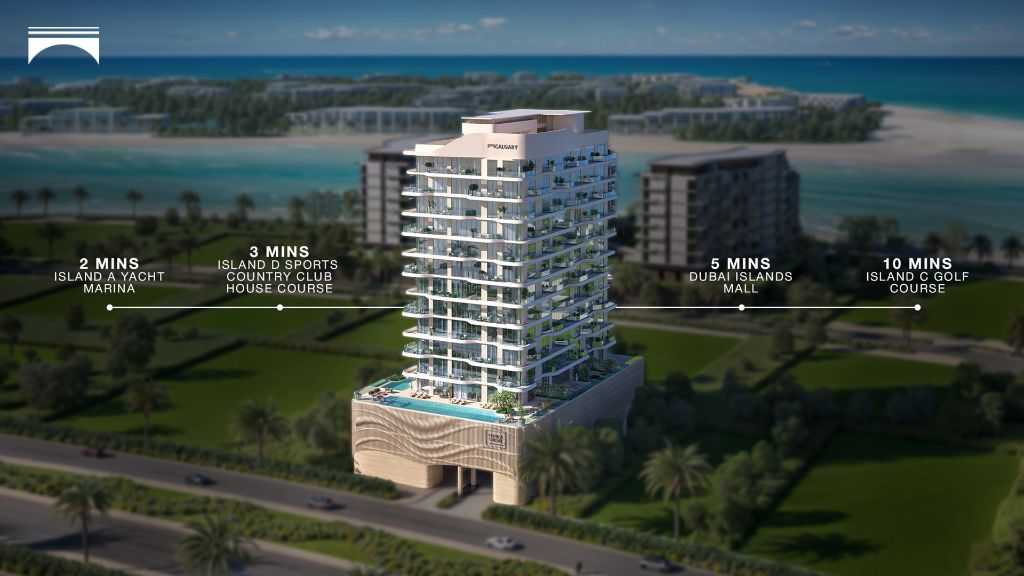
Flora Shore By Calgary Properties: Coastal Living Minutes From The Best Of Dubai Islands
View More
Dubai's Market Cooled In Q3 2026, So Why Are Dubai Islands Prices Still Up 17.7%?
View More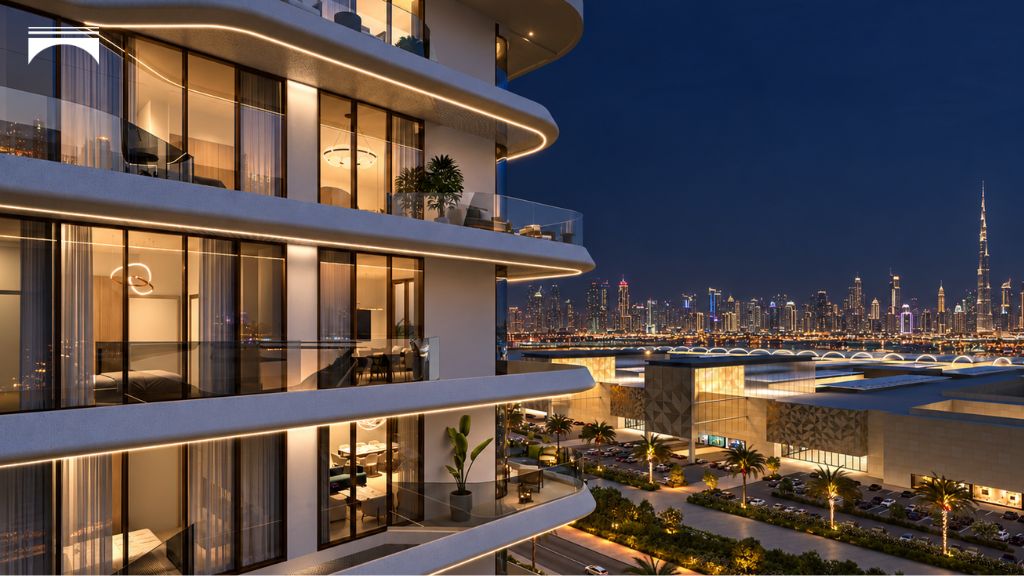
Luxury After Dark: Why A Dubai Islands Home Should Work Around The Clock
View More
Flora Shore: Where Coastal Serenity Meets Modern Luxury
View More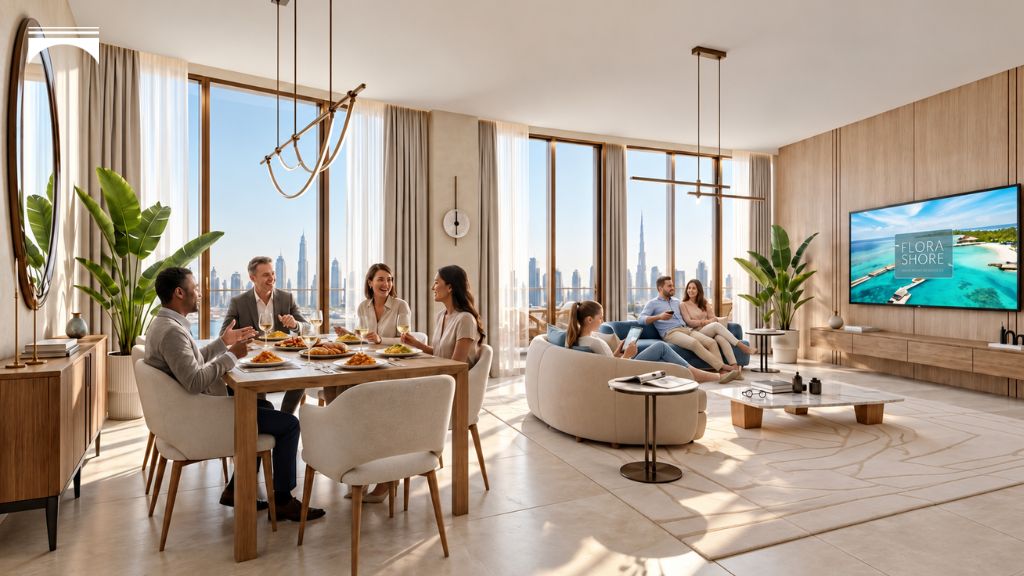
Designed For Living: Inside The Philosophy Of Flora Shore
View More
A New Chapter Begins For Flora Shore: Calgary Properties And Flora Realty Join Hands For Waterfront Living
View More
Property Valuation In Dubai: A Complete Guide For Buyers And Investors In 2026
View More
Dubai Rental Market 2026: Why Tenants Are Moving To New Homes For Better Value
View More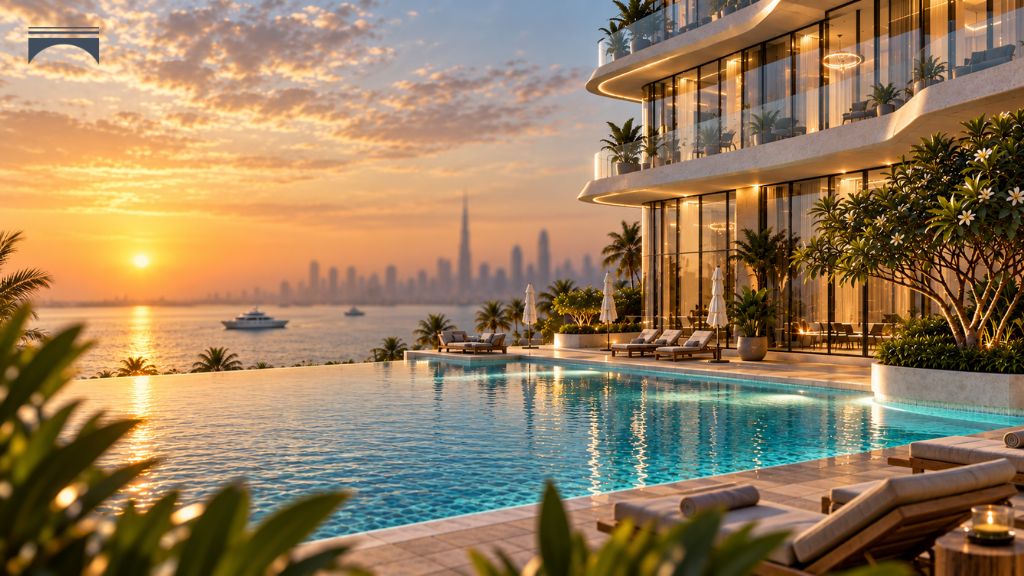
Dubai Luxury Rents Reach A AED 1.35 Million Median: What It Means For Waterfront Home Buyers In 2026
View More
Building Trusted Real Estate Developments In Dubai: The Calgary Properties Approach
View More
