

When you buy an off-plan property in Dubai, you commit to something that does not yet exist in physical form. The apartment, villa, or townhouse lives on a floor plan, in a render, and in a promise. The years between purchase and handover are where confidence is either built or broken.
For investors and homebuyers, this waiting period raises a fair question: how do you trust a community that is still under construction? The answer lies in a combination of regulation, transparency, and developer track record that has matured significantly across Dubai real estate over the past two decades.
This article explains the mechanisms that protect buyers and the practices that responsible developers follow to maintain trust from the moment a project launches until the keys are handed over.
Off-plan property in Dubai typically takes two to four years to complete. During this time, buyers pay according to a structured plan while the project rises from foundation to finished community.
This gap is not a flaw in the model. It allows buyers to enter at attractive prices, spread payments over time, and benefit from value appreciation before handover. The challenge is managing the uncertainty that naturally comes with paying for something still being built.
Dubai has addressed this challenge through a regulatory framework designed specifically to protect off-plan purchasers.
One of the most important safeguards in Dubai property investment is the mandatory escrow account. Under Law No. 8 of 2007, developers must deposit buyer payments into a dedicated escrow account managed by an approved bank or trustee.
Funds in these accounts can only be released to the developer in stages, tied to verified construction progress. This means your money is not handed over freely. It is held and released based on real work completed on site.
For buyers, this structure dramatically reduces the risk of funds being misused or diverted to unrelated projects.
The Real Estate Regulatory Agency (RERA), operating under the Dubai Land Department (DLD), supervises developers, brokers, and projects across the emirate. RERA registers projects, monitors escrow accounts, and sets the rules that govern how off-plan sales are conducted.
Before a project can be sold off-plan, it must be registered with the DLD. This registration gives buyers a verifiable reference point and a layer of official accountability that did not exist in the market's early years.
Regulation also requires developers to report construction milestones. Buyers can often verify progress through official channels and developer updates, creating a feedback loop that keeps expectations grounded in reality.
Regulation sets the floor. The best developers go further by treating transparency as a core practice rather than a legal obligation.
A developer's history is one of the strongest signals of reliability. Buyers increasingly research past projects, delivery timelines, and build quality before committing to a new community in Dubai.
Established names in the market have built reputations on delivering on schedule and meeting the standards shown at launch. A consistent record of completed handovers carries more weight than any marketing claim.
Trust grows when developers communicate openly. Regular construction updates, honest timelines, and accessible points of contact reassure buyers that their investment is progressing as promised.
Silence creates doubt. Communities that share milestone photos, progress reports, and realistic timelines tend to retain buyer confidence even when minor delays occur.
The promise made at launch must match what is delivered at property handover in Dubai. Developers who maintain material quality, design integrity, and finishing standards protect both their reputation and the long-term value of the community.
This consistency between render and reality is what separates a trusted developer from a forgettable one.
Structured payment plans linked to construction stages align the interests of buyer and developer. When payments follow progress, buyers feel that their financial commitment matches tangible results.
This alignment is a quiet but powerful trust mechanism throughout the development period.
Beyond the individual unit, buyers invest in a vision. A well-planned community considers connectivity, amenities, green space, and the lifestyle it will offer once complete.
Emerging destinations illustrate this well. Dubai Islands property, for example, reflects the city's continued push toward waterfront living and master-planned communities designed for both residents and investors. Such developments succeed when the surrounding infrastructure and amenities are delivered alongside the homes themselves.
Long-term value creation depends on this bigger picture. A community that fulfills its original vision tends to appreciate and attract steady demand, rewarding early buyers who trusted the plan.
As a luxury real estate developer in Dubai, Calgary Properties approaches the launch-to-handover journey with an emphasis on premium quality and enduring value. The focus is on creating communities where the experience at handover reflects the standards promised at launch.
This means prioritizing transparent communication, design consistency, and the kind of long-term thinking that supports real estate investment in Dubai over time rather than short-term appeal.
The years between launch and completion are not a leap of faith. They are governed by a regulatory system, supported by escrow protections and RERA oversight, and shaped by developers who choose transparency and quality over shortcuts.
For anyone considering off-plan property in Dubai, trust is not something you simply hope for. It is something you can evaluate through regulation, reputation, communication, and a clear community vision.
When these elements align, the wait between purchase and handover becomes a period of confident anticipation rather than anxiety, and the foundation for lasting value is set long before the keys change hands.
 Share
Share
 Tweet
Tweet
 Email
Email
 Share
Share
 Share
Share
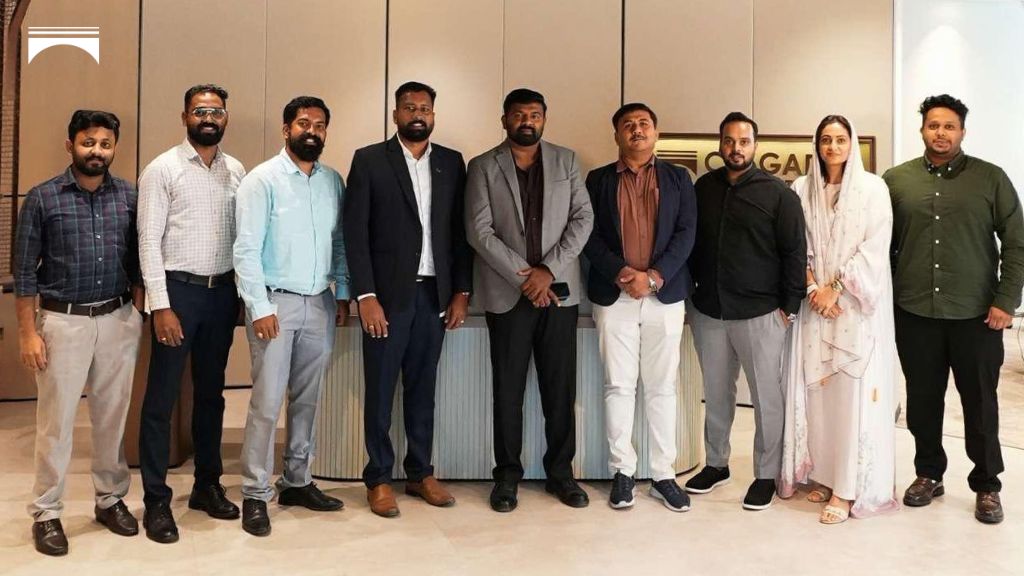
A New Chapter Begins For Flora Shore: Calgary Properties And Flora Realty Join Hands For Waterfront Living
View More
Property Valuation In Dubai: A Complete Guide For Buyers And Investors In 2026
View More
Dubai Rental Market 2026: Why Tenants Are Moving To New Homes For Better Value
View More
Dubai Luxury Rents Reach A AED 1.35 Million Median: What It Means For Waterfront Home Buyers In 2026
View More
Building Trusted Real Estate Developments In Dubai: The Calgary Properties Approach
View More
UAE Mortgage Rates In 2026: Fixed Vs Variable Home Loans Explained
View More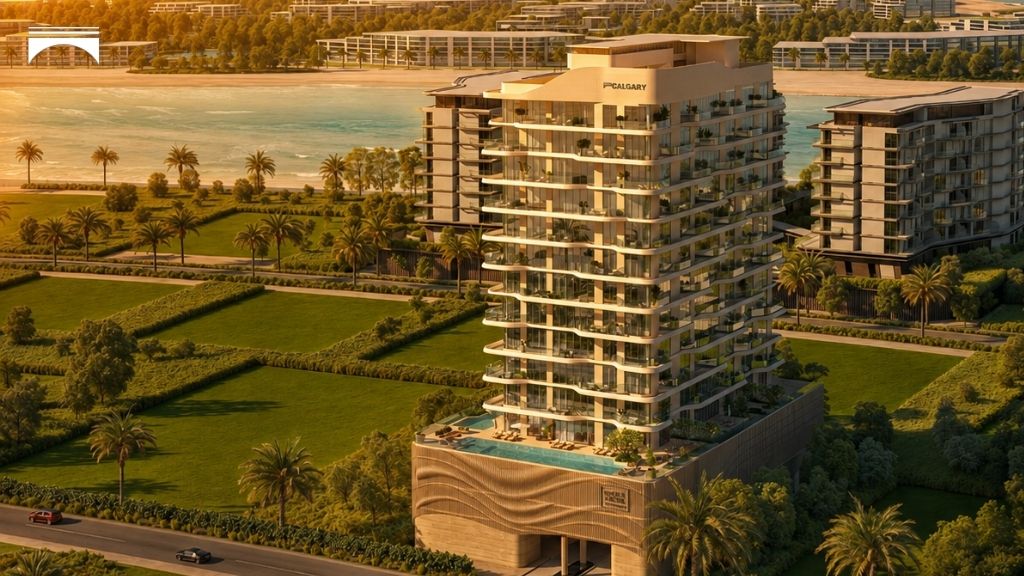
Dubai Waterfront Property Investment: Why Dubai Islands Is Emerging As A High-Growth Destination In 2026
View More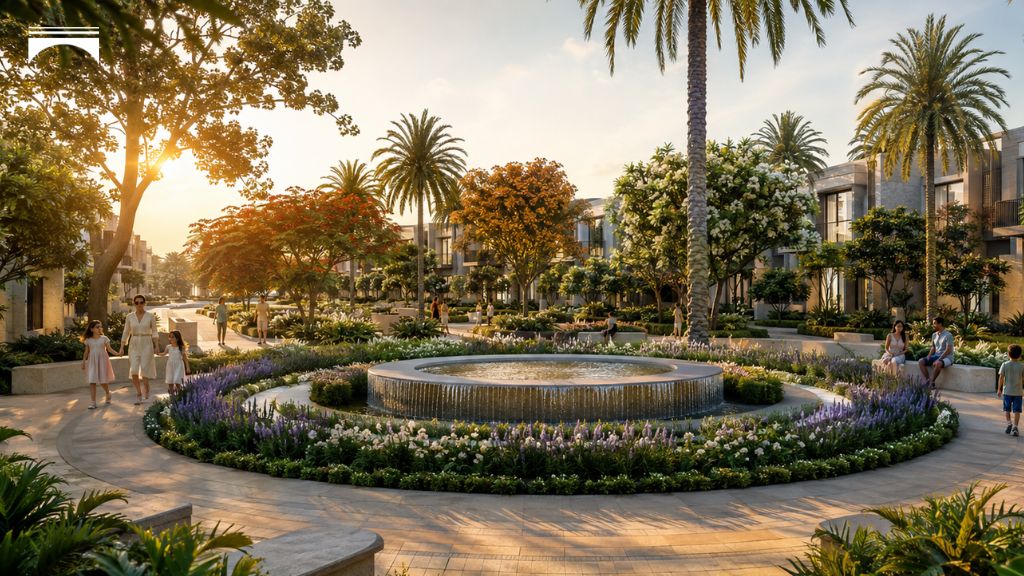
Urban Planning In The UAE: Why The Next Wave Of Cities Is Designed Around People, Not Plots
View More
Dubai Real Estate Buyer Markets In 2026: Why UAE, Saudi Arabia, India And The UK Remain Key
View More
Why Investors Lose Money In Dubai Real Estate, And How To Avoid It
View More