
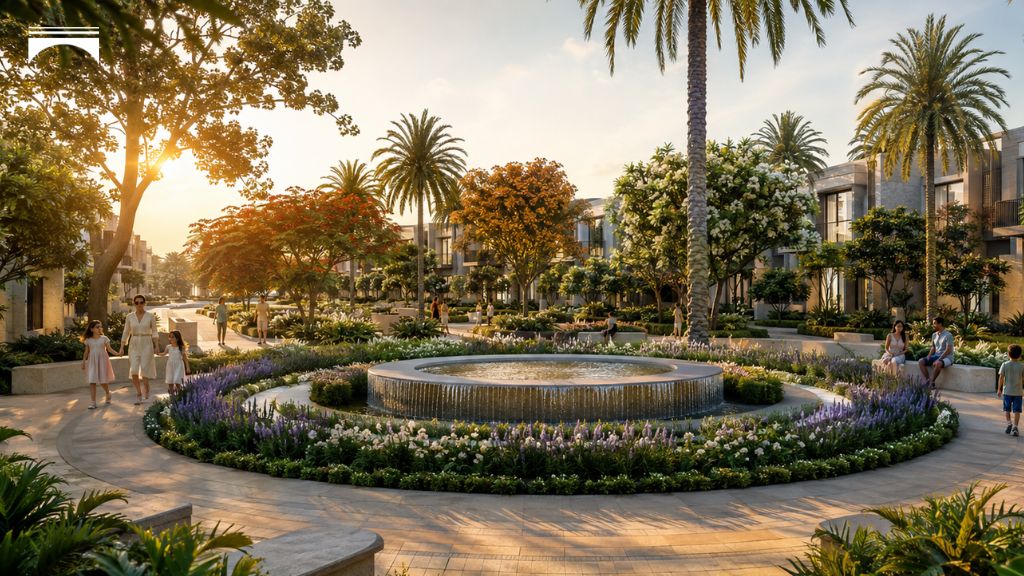
Urban planning is shaping the next generation of cities in the UAE by replacing outward sprawl with compact, walkable and transit connected communities. Frameworks such as the Dubai 2040 Urban Master Plan and Plan Abu Dhabi 2030 set measurable targets for green space, mobility, density and community amenities. For buyers and investors, this means location value is increasingly defined by proximity and quality of life rather than plot size alone.
Key takeaways
The UAE's cities have grown at a pace with few global parallels. Dubai alone has moved through seven master plans since 1960, expanding from a settlement of roughly 40,000 residents into a metropolis of more than three million people. The early plans were about accommodating growth. The current generation is about shaping it.
Launched in March 2021, the Dubai 2040 Urban Master Plan is a twenty-year roadmap with a stated ambition to make Dubai the best city in the world to live in. It anticipates a resident population approaching 5.8 million by 2040 and answers one question: where should that growth go? Rather than letting the city spread further into the desert, it concentrates development around five urban centres, including Deira and Bur Dubai, Downtown and Business Bay, Dubai Marina and JBR, Expo City Dubai and Dubai Silicon Oasis.
Abu Dhabi has followed a parallel path. Plan Abu Dhabi 2030 introduced a formal planning culture built around structured neighbourhoods, cultural continuity and environmental limits, supported by the Estidama Pearl Rating System.
The most influential idea in UAE planning today is proximity. The 20-minute city principle holds that residents should reach work, schools, healthcare, retail and recreation within about twenty minutes on foot, by cycle or by public transport.
This changes what developers build. A tower surrounded by parking is no longer a complete product. A next generation community offers ground floor retail, shaded pedestrian routes, cycling infrastructure, schools within reach and open space people actually use. For buyers the implication is simple: homes inside genuinely integrated communities hold demand better because daily life is easier there. Convenience has quietly become a luxury asset.
Sustainability in the UAE has moved from a brochure claim to a regulated standard. Under Dubai 2040, green and recreational areas are set to grow by 105 percent, public beach length is targeted to expand by around 400 percent, and roughly 60 percent of the emirate's land area is designated for nature reserves and natural landscapes.
Design codes are shifting alongside those targets. Building orientation, shading, high performance glazing, greywater recycling and district cooling are now standard. Dubai's Al Sa'fat system and Abu Dhabi's Estidama framework push developers toward lower operating costs and better indoor comfort, which residents feel in their utility bills and in how liveable a home stays through summer.
Transport infrastructure has always driven UAE property values, and the next decade will be no different. In 2026 Dubai advanced two major rail programmes, launching primary tunnelling works on the Metro Blue Line with an investment of more than AED 20.5 billion, and approving the Gold Line with an investment of around AED 34 billion.
Transit oriented development is the practical result. Once a station is confirmed, surrounding land absorbs higher density, more mixed use zoning and stronger tenant demand, and districts once considered peripheral become mainstream. Tracking approved infrastructure remains one of the most reliable ways to anticipate where yields will strengthen.
Coastal planning has become the showcase for this approach. Recent beach master plans across Jumeirah, Umm Suqeim and Al Mamzar reflect a deliberate strategy to give residents everyday access to the sea rather than reserving it for private plots.
Dubai Islands sits at the centre of the shift. The destination is planned as a low rise, beach led archipelago with continuous public shoreline, marinas, hospitality and residential clusters designed to work together. It is a clear case of planning first and building second, which is precisely what long term value depends on.
Master plans are public documents, which makes them one of the few reliable forecasting tools in real estate. Practical ways to use them:
Buy inside a plan, not beside one. Confirm the project sits within a designated growth corridor or urban centre.
At Calgary Properties, design led development means building for where the UAE is heading rather than where it has been. Our approach favours thoughtful layouts, natural light, material quality and curated amenities that make daily life feel effortless. Flora Shore on Dubai Islands pairs waterfront positioning with the walkability and community focus defining the emirate's planning agenda.
The next generation of UAE cities will not be judged by height or scale. They will be judged by how well they work for the people who live in them.
Ready to invest in a community built around how the UAE will live tomorrow? Register your interest in Flora Shore or contact the Calgary Properties team to discuss waterfront opportunities on Dubai Islands.
 Share
Share
 Tweet
Tweet
 Email
Email
 Share
Share
 Share
Share
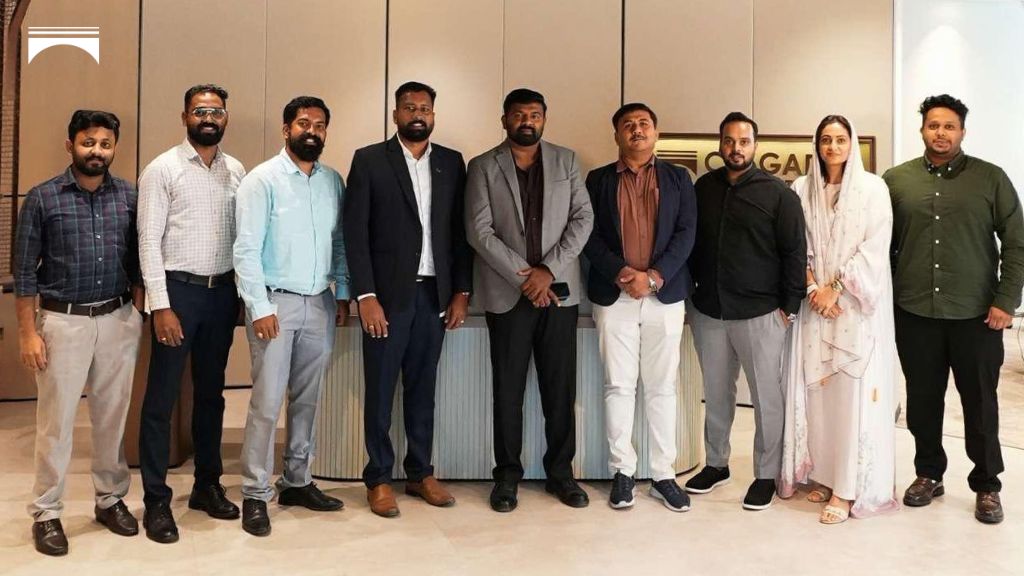
A New Chapter Begins For Flora Shore: Calgary Properties And Flora Realty Join Hands For Waterfront Living
View More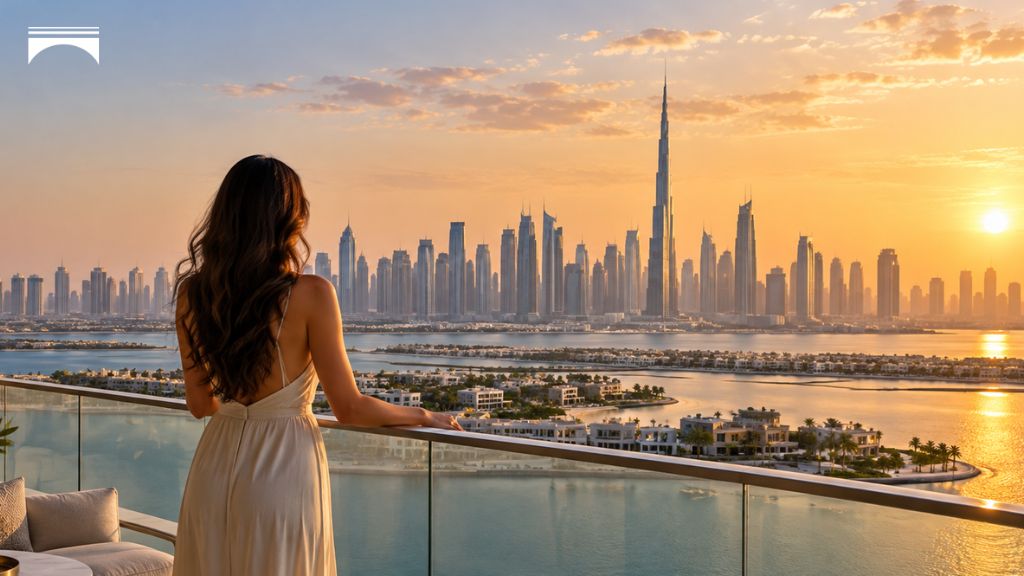
Property Valuation In Dubai: A Complete Guide For Buyers And Investors In 2026
View More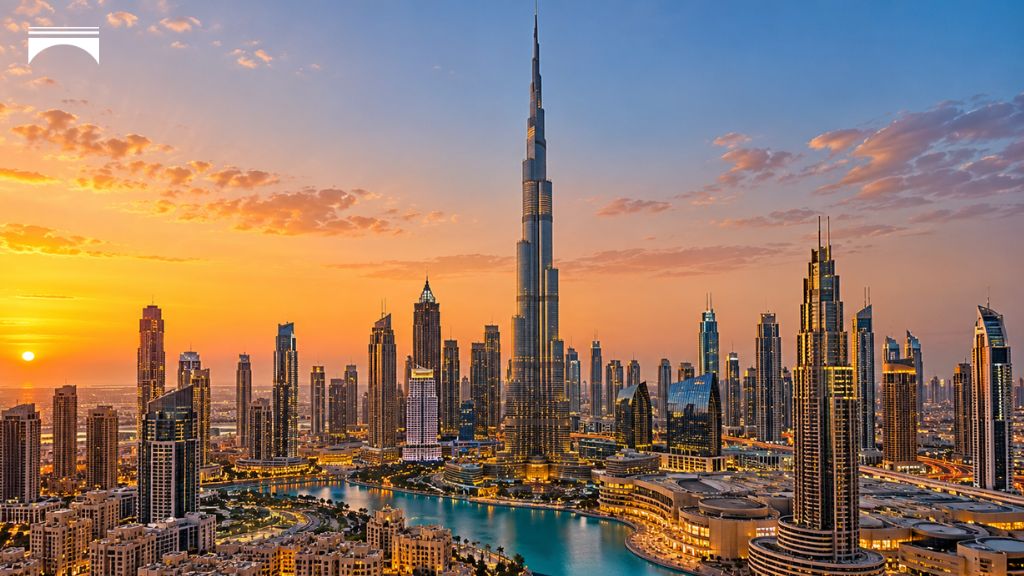
Dubai Rental Market 2026: Why Tenants Are Moving To New Homes For Better Value
View More
Dubai Luxury Rents Reach A AED 1.35 Million Median: What It Means For Waterfront Home Buyers In 2026
View More
Building Trusted Real Estate Developments In Dubai: The Calgary Properties Approach
View More
UAE Mortgage Rates In 2026: Fixed Vs Variable Home Loans Explained
View More
Dubai Waterfront Property Investment: Why Dubai Islands Is Emerging As A High-Growth Destination In 2026
View More
Dubai Real Estate Buyer Markets In 2026: Why UAE, Saudi Arabia, India And The UK Remain Key
View More
Why Investors Lose Money In Dubai Real Estate, And How To Avoid It
View More
The Psychology Of Flora Shore: How Interior Design Shapes The Way You Live
View More