
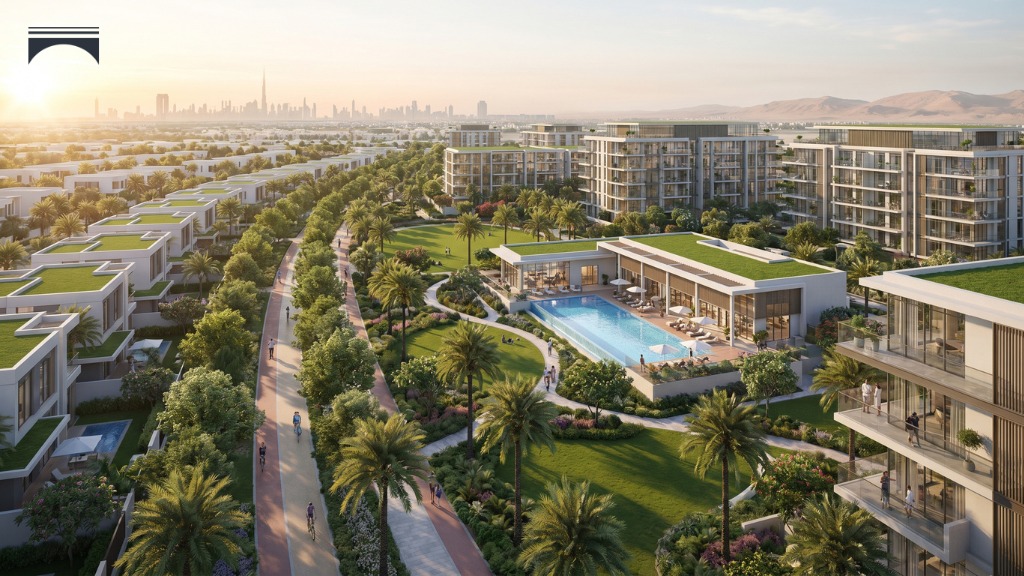
For much of the last decade, luxury real estate in Dubai was defined by height, gloss, and proximity to iconic landmarks. Penthouses with Burj Khalifa views and marina-front apartments were the gold standard. That is still true, to a point. But something more fundamental has shifted in what discerning buyers and investors are looking for. Across the UAE, wellness communities are emerging as the defining model for the next generation of luxury living, and the demand shows no sign of slowing.
The global wellness real estate market has been on a steep upward trajectory, and the UAE sits right at the centre of this shift. Buyers today, whether they are high-net-worth individuals, expatriate professionals, or families building long-term roots, are asking different questions. Not just "what is the view?" but "how will this place support my health, my family, and my quality of life?" Wellness communities in UAE are the answer that the market has arrived at.
The term gets used loosely, but genuine wellness communities share a set of core principles that distinguish them from conventional residential developments. At their heart, they are master-planned environments designed to make healthy living the default, not a lifestyle choice that requires extra effort.
A true wellness community integrates physical, mental, and social wellbeing into its very infrastructure. That means thoughtful urban planning where walkability is prioritised, where green corridors connect homes to amenities, and where residents do not need a car to live a full and active life. It means the design of buildings themselves considers natural light, ventilation, and materials that contribute to indoor air quality.
The distinction matters because many developments in Dubai and the UAE have co-opted the language of wellness without the substance. A gym and a rooftop pool do not make a wellness community. What does is a holistic approach where health outcomes are a planning objective, not an afterthought.
The pandemic years accelerated a shift in priorities that was already underway. People who spent extended periods at home began to place much greater value on their immediate environment, on space, air quality, access to nature, and the ability to move freely without commuting to a gym or a park.
For high-net-worth buyers and families, health is no longer a luxury consideration. It is a baseline expectation. The question is not whether a community offers wellness amenities, but how deeply they are embedded into daily life. Buyers are scrutinising master plans, asking about air filtration systems, looking at the proportion of green space to built area, and assessing how child-friendly and walkable a development truly is.
Dubai is home to a large and transient expatriate population, many of whom come from cities in Europe, North America, and East Asia where walkable, green urban neighbourhoods are the norm. For this group, a development that mirrors the lifestyle standards of cities like Amsterdam, Singapore, or Copenhagen holds enormous appeal. Healthy lifestyle communities in Dubai that genuinely deliver on that promise are filling a gap in the market.
Across the UAE's leading developments, a cluster of features consistently defines the wellness community model.
Dedicated tracks, protected cycling lanes, and pedestrian-priority street design allow residents to move without relying on cars. In a climate like the UAE's, this also means thoughtful shading, covered walkways, and cooled pathways in premium developments.
Proportional green space is a hallmark of serious wellness developments. Beyond decorative landscaping, these communities offer parks designed for active use, quiet reflection, and community gathering. Residents of all ages benefit from access to well-designed outdoor areas within walking distance of their homes.
Full-service wellness facilities go well beyond the standard gym and pool. Leading communities offer yoga and meditation studios, hydrotherapy, physiotherapy, nutritional counselling, and spa facilities that residents can access as a natural extension of their daily routines.
Outdoor fitness stations, sports courts, swimming pools, and multi-purpose fitness halls give residents options regardless of their preferred activity. The emphasis is on making movement accessible and social, not just transactional.
Indoor and outdoor air quality is an increasingly important consideration in UAE real estate. Premium wellness communities are investing in HEPA filtration systems, low-VOC building materials, and landscape design that supports cleaner air. Some developments also monitor ambient air quality in real time.
Communal growing spaces, herb gardens, and farm-to-table initiatives are appearing across forward-thinking UAE developments. These features support both nutritional wellbeing and community cohesion.
Sustainability and wellness are closely linked in modern master planning. Solar integration, grey water recycling, energy-efficient building systems, and smart home technology reduce environmental impact while improving resident comfort. Sustainable communities in UAE are increasingly finding that this infrastructure is a selling point as much as an obligation.
The UAE government has made healthy living and sustainable urban development central to its long-term vision. Dubai's 2040 Urban Master Plan explicitly commits to expanding natural and recreational spaces, increasing the share of green and blue public areas, and building more liveable, walkable neighbourhoods.
Abu Dhabi has pursued a similar path through its own urban planning frameworks, with significant investment in parks, cycling networks, and community sports infrastructure across the emirate.
Free zones and development authorities have also played a role, creating regulatory environments that incentivise sustainable building practices and encourage developers to incorporate wellness standards into their projects. The result is a pipeline of developments across the UAE that are genuinely competing on wellness credentials.
Several master developments have set benchmarks for what wellness communities in Dubai and the wider UAE can look like.
Yas Island, Abu Dhabi has evolved into a family-oriented lifestyle destination with extensive cycling and walking trails, waterfront access, and a range of sports and leisure facilities integrated into a coherent master plan.
Al Barari, Dubai is one of the emirate's most distinctive wellness-focused residential communities, built around extensive botanical gardens, water features, a health club, and a spa. Its emphasis on nature within an urban setting has made it a reference point for the genre.
Emaar Beachfront and Emaar South represent the broader push by major developers to integrate lifestyle and wellness into large-scale master communities. Green corridors, waterfront promenades, and curated amenity packages are standard features.
Masdar City, Abu Dhabi represents the more sustainability-led end of wellness development, designed as a zero-carbon urban environment with air quality, pedestrian priority, and energy efficiency at its core.
Tilal Al Ghaf, Dubai by Majid Al Futtaim has positioned itself explicitly as a wellness destination, with a central lagoon, 11 kilometres of cycling and running tracks, and a community framework designed around active living.
These developments illustrate the range of approaches within wellness-focused real estate, from nature-centric to sustainability-led to amenity-rich. Calgary Properties works with buyers and investors to identify which of these models best matches their lifestyle goals and investment criteria.
For families, the calculus is straightforward. Developments with safe cycling paths, parks, quality schools nearby, and clean air provide an environment where children can grow up active and healthy. The reduced reliance on cars and the availability of community-oriented spaces also supports the kind of neighbourhood cohesion that many families are looking for.
For working professionals, particularly those relocating from cities with strong outdoor cultures, wellness communities offer a daily rhythm that supports physical and mental health even during demanding work periods. Proximity to fitness facilities, healthy dining options, and green space within walking distance makes a meaningful difference to quality of life.
Older residents and retirees benefit significantly from walkable environments, access to physiotherapy and medical wellness facilities, and social spaces that keep them active and connected. As the UAE develops more retirement-friendly infrastructure, wellness communities are a natural fit for this demographic.
From an investment perspective, wellness communities command consistent interest from both end-users and tenants. Properties in well-designed lifestyle communities have demonstrated strong rental yields and capital appreciation, particularly as the profile of the buyer in Dubai has shifted toward longer-term residents rather than speculative investors.
The investment case for wellness real estate investment in the UAE is increasingly robust. Demand is driven by a structural shift in lifestyle priorities rather than a short-term trend. Communities that genuinely deliver on wellness promises attract high-quality tenants and owner-occupiers, which supports rental rates and reduces vacancy periods.
As the UAE's real estate market matures, differentiation matters more. Generic luxury developments compete on price and location. Wellness communities compete on livability, a factor that ages well. Properties in communities with strong green infrastructure, good management, and genuine lifestyle credentials tend to hold value through market cycles more reliably than commodity luxury stock.
The alignment of wellness real estate with UAE government sustainability goals also provides a degree of regulatory tailwind. Developments that meet green building standards and contribute to the emirate's environmental targets are well positioned for long-term support.
The UAE has articulated an ambitious vision for how its cities should develop over the coming decades. Whether through the Dubai 2040 Urban Master Plan, Abu Dhabi's urban development frameworks, or the National Wellbeing Strategy, there is a consistent thread connecting government intent to the kind of communities that developers are now building.
Wellness communities are not an imported concept being applied to a reluctant market. They align with where the UAE is headed: a country building world-class livability standards, attracting long-term residents, and developing cities that can compete globally on quality of life as well as economic opportunity.
Luxury properties in Dubai and across the UAE that embed wellness into their DNA are not following a trend. They are building in step with the direction the country itself is moving.
The pipeline of wellness and lifestyle communities under development or in planning across Dubai and the UAE suggests that this is not a moment but a direction. Developers are investing heavily in the master planning, amenity infrastructure, and sustainability credentials that wellness buyers expect. Competition is raising standards, and the communities coming to market over the next five to ten years will likely be more sophisticated than what exists today.
For buyers and investors, this means the opportunity to identify communities early in their development cycle, before prices fully reflect the maturity of the lifestyle they will deliver. It also means the importance of working with advisors who understand the nuances between developments that genuinely deliver on wellness promises and those that use the language without the substance.
The shift toward wellness communities in UAE is one of the most significant evolutions in the region's real estate market in a generation. For buyers and investors ready to move beyond generic luxury and into homes that genuinely support how they want to live, the timing has rarely been better.
Calgary Properties specialises in helping buyers and investors discover premium residential opportunities across Dubai's most sought-after lifestyle-driven communities. Whether you are a family looking for the right environment to put down roots, a professional seeking a home that supports your daily wellbeing, or an investor identifying the communities with the strongest long-term fundamentals, the team at Calgary Properties brings the local expertise and market knowledge to guide you.
Looking to invest in Dubai's next generation of luxury living? Connect with Calgary Properties today and discover premium residences in some of the UAE's most sought-after wellness communities.
Visit: www.calgaryuae.com
 Share
Share
 Tweet
Tweet
 Email
Email
 Share
Share
 Share
Share
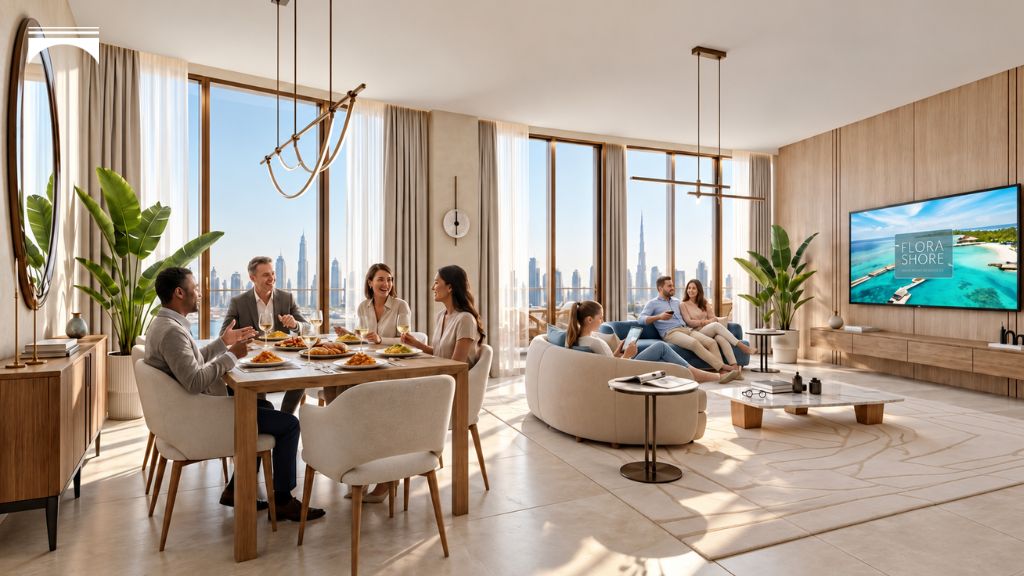
Designed For Living: Inside The Philosophy Of Flora Shore
View More
A New Chapter Begins For Flora Shore: Calgary Properties And Flora Realty Join Hands For Waterfront Living
View More
Property Valuation In Dubai: A Complete Guide For Buyers And Investors In 2026
View More
Dubai Rental Market 2026: Why Tenants Are Moving To New Homes For Better Value
View More
Dubai Luxury Rents Reach A AED 1.35 Million Median: What It Means For Waterfront Home Buyers In 2026
View More
Building Trusted Real Estate Developments In Dubai: The Calgary Properties Approach
View More
UAE Mortgage Rates In 2026: Fixed Vs Variable Home Loans Explained
View More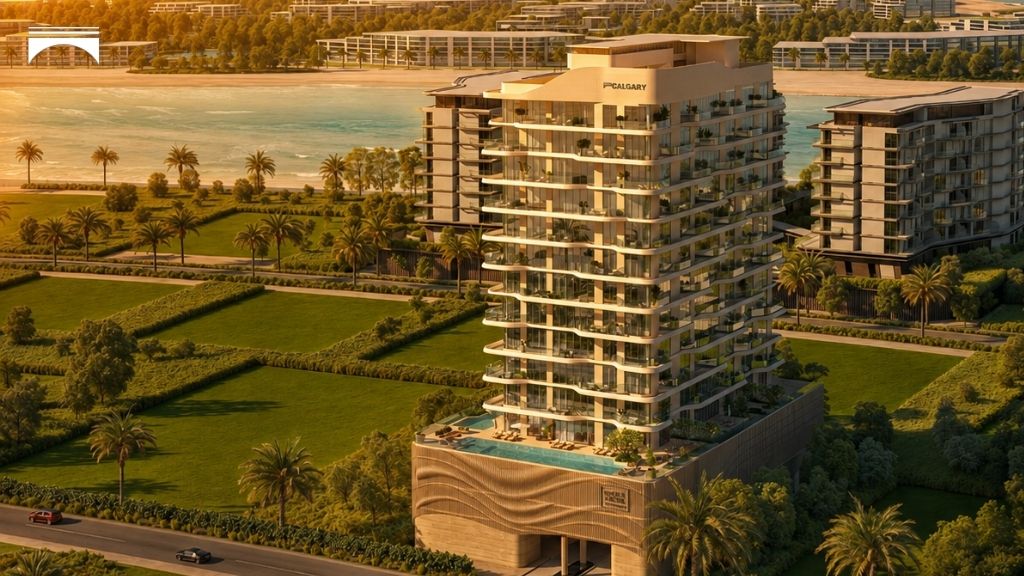
Dubai Waterfront Property Investment: Why Dubai Islands Is Emerging As A High-Growth Destination In 2026
View More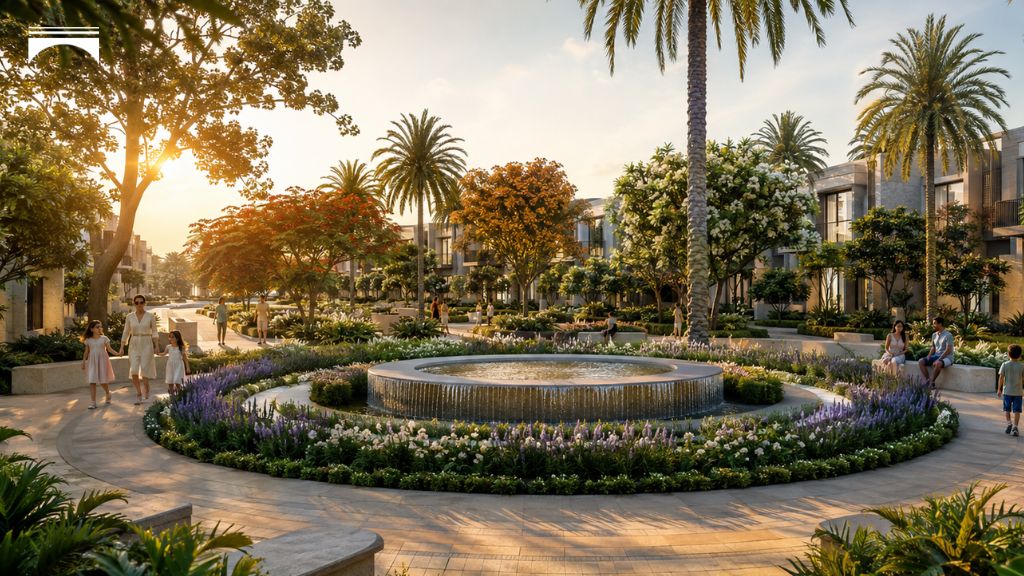
Urban Planning In The UAE: Why The Next Wave Of Cities Is Designed Around People, Not Plots
View More
Dubai Real Estate Buyer Markets In 2026: Why UAE, Saudi Arabia, India And The UK Remain Key
View More